
About Me
When comparing commercial drainage systems to their domestic counterparts, there are notable differences that arise due to the varied requirements of businesses and residential properties. Understanding these distinctions is crucial for property owners and facility managers alike, particularly in areas like Southampton where drainage issues can lead to significant operational challenges.
One primary difference lies in the scale of the systems. Commercial drainage systems are engineered to handle larger volumes of waste and stormwater. This is particularly relevant for businesses such as restaurants, hotels, and retail outlets, which generate substantial waste compared to a typical household. As a result, the pipes used in commercial settings are often wider and constructed from more robust materials to prevent blockages and withstand high flow rates.
In contrast, domestic drainage systems are designed with the standard needs of a household in mind. These systems typically manage smaller volumes of wastewater and are built with narrower pipes made from materials suitable for less demanding usage. However, this does not mean that domestic drainage is devoid of complexities. Households can still face issues like blockages due to grease buildup, tree root intrusion, or general wear and tear, which can compromise the efficiency of the drainage system.
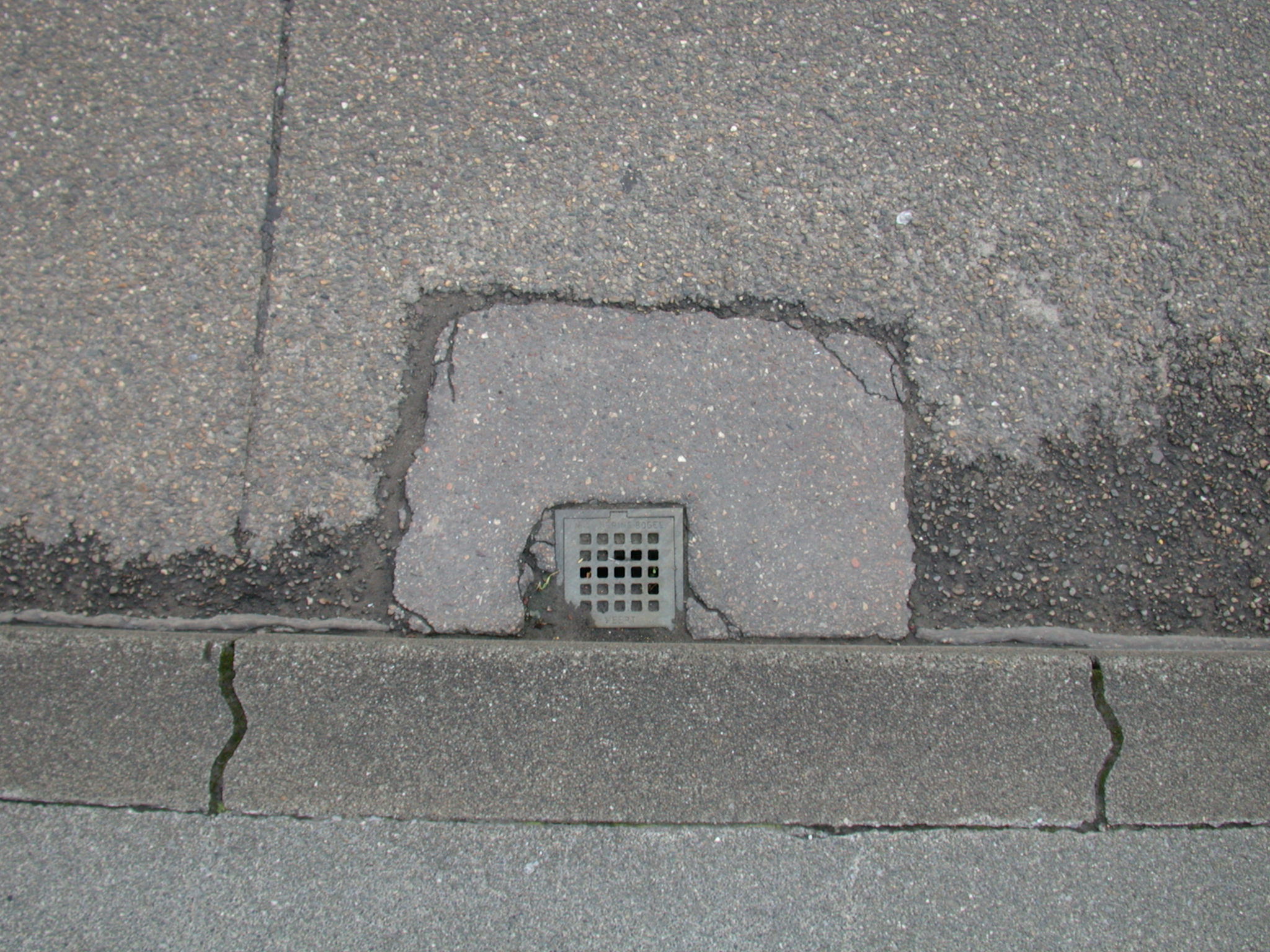 Another significant difference is the regulatory framework governing commercial drainage. Businesses are often subject to stricter regulations regarding waste disposal and drainage maintenance. They must adhere to guidelines that ensure the protection of public health and the environment. For instance, restaurants must manage grease traps and comply with local water authority regulations to prevent fat, oil, and grease from entering the main sewer system. This level of compliance is less stringent for domestic properties, although homeowners are still encouraged to maintain their drainage systems to avoid localised flooding or environmental harm.
The complexity of commercial drainage systems also extends to maintenance and repair. Given the higher traffic of water runoff and waste in commercial settings, the frequency and type of maintenance required differ significantly. Regular inspections are essential for businesses to mitigate the risk of costly downtime that can occur from drainage failures. Techniques such as CCTV drain unblocking southampton surveys have become commonplace in the commercial sector to identify potential issues before they escalate. These surveys allow for early detection of blockages or structural problems within pipes, enabling proactive measures to be taken.
In domestic settings, while CCTV drain surveys are also beneficial, the frequency of such inspections is generally less than in commercial environments. Homeowners may opt for these services if they experience recurring drainage problems, but they might not conduct them as a routine measure. Instead, preventive maintenance, such as regular cleaning and proper disposal of waste, is often sufficient for maintaining a household drainage system.
Furthermore, the risk of drainage issues leading to financial loss can be considerably higher for commercial entities. A blockage or failure can disrupt operations, affect customer satisfaction, and lead to significant repair costs. This economic impact often necessitates businesses to invest in comprehensive drainage solutions and maintenance contracts with professional services.
In addition, the types of drainage systems vary depending on the specific needs of a commercial establishment. For instance, industrial sites might employ advanced systems capable of managing hazardous waste, while retail spaces focus on general wastewater management. Understanding these specific requirements is vital for ensuring that the drainage system in place is fit for purpose.
Conversely, domestic drainage systems are generally more uniform and simpler in design. Most homes will have a standard layout that includes a series of interconnected pipes leading to a main sewer line. However, homeowners still need to be aware of their individual plumbing designs, as unique features of older properties or those with extensions can create potential vulnerabilities in the drainage system.
In summary, while both commercial and domestic drainage systems serve the same fundamental purpose of managing wastewater, the differences in scale, regulatory compliance, maintenance requirements, and potential impacts are significant. For those overseeing commercial properties in Southampton, understanding these distinctions is essential for effective management and maintenance of drainage systems. Recognising the specific needs of each type of system can help prevent issues that may disrupt operations and ensure a smooth drainage process. For businesses and homeowners alike, being proactive in addressing drainage concerns contributes to the overall health of property infrastructure.
Location
Occupation